













Who is responsible for the cyber attacks on supermarket freezers in Europe and why will it get worse with AI? Euronews Next spoke to cybersecurity experts for answers.
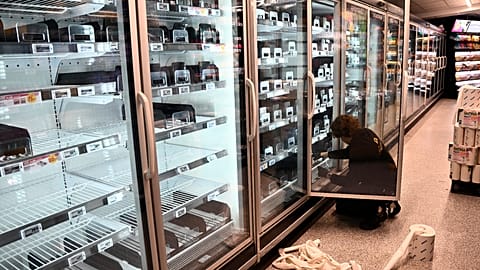
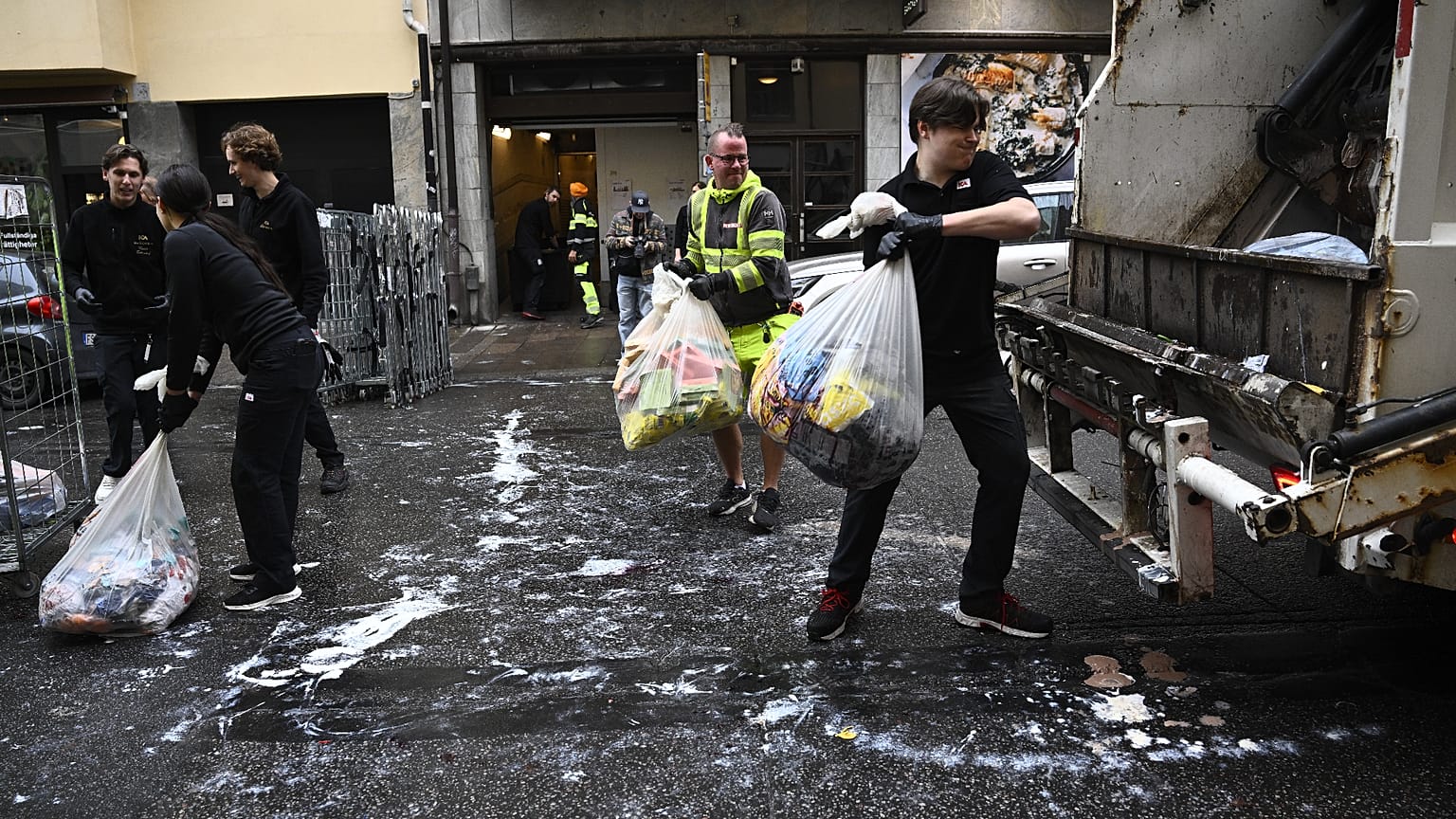
Supermarket fridges and freezers are increasingly becoming hacking targets, resulting in food perishing and raising fears about food becoming a technology target.
 ADVERTISEMENT
The latest series of cyber incidents reported on Monday affected supermarket chains in Belgium, Luxembourg, Estonia, the Netherlands, and Ireland. Sweden was also impacted, and one store blamed a cyberattack.
It comes just weeks after freezers in some 500-700 French supermarkets were hit by a major cyberattack, which raised temperatures to as high as 50 degrees Celsius.
Though no group has taken responsibility or been blamed for any hack on supermarket fridges, French authorities believe the October 12 hack the involved international actors, but no official blame has been made.
Why are fridges online?
Refrigerators, heating systems and security systems have moved increasingly online so they can be monitored remotely and therefore are easier for store owners to manage.
In theory, if a device is connected to the internet, through an app, or a cloud network, it can be hacked.
Once inside the network, a hacker can gather information or control a device by changing settings, lock users out of their accounts, or switch a device off entirely.
What is the reason for the hacks?
The fact that no one has claimed responsibility could mean many things, such as the hackers may want to cause unrest or plan further attacks, according to Marta Rybczynska, founder and cybersecurity expert at the company Ygreky, who also noted there was no monetary gain for the hackers.
"Investigators are silent about current results of the investigation in France, but by elimination it is likely that we have some state-supported group behind this," she told Euronews Next.
"After the attack in France I was considering a group of youngsters, but with the last case it becomes way more likely. Except if they were just copying the method," she added.
The main reason she believes supermarket freezers and fridges are hacked is because they are "easy targets" as instructions on how to do attack them are easily available online.
The bigger question she asks is "why now" and why the shops affected didn't protect their installations more after the attacks in France.
"The big problem I see is that shops didn't consider themself as possible targets. I think there's an urgent need to start protecting those services that didn't consider them important enough," she said.
The infrastructure issue
Though we may never know who was behind the supermarket fridge hacks, experts believe they will continue due to "the simple reason that they are vulnerable", said Pavlina Pavlova, founder of cybersecurity firm Critical Cyber.
"They run on old systems that are deprioritised or impossible to patch; many of the controllers hit in France, for example, were older models that no longer receive security updates, despite flaws known since 2025."
"They are hit because of the matrix of availability, desirability and vulnerability: they are reachable and undefended," she told Euronews Next.
But in the age of artificial intelligence the threats are likely to increase as AI lowers the barrier to entry for sophisticated attacks and can automate attacks at scale and speed that humans cannot match.
"AI-driven vulnerability detection makes finding and exploiting weak points easier and faster than ever, including in vital functions on which people depend — while patching at this speed remains a bottleneck for defenders," said Pavlova.
"It will probably get worse before it gets better."